Laura Betti
Born May 1, 1927 · Casalecchio di Reno, Emilia-Romagna, Italy
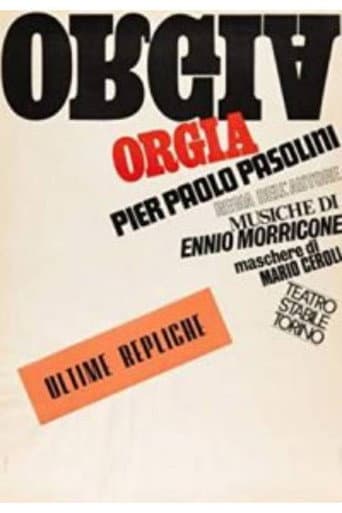
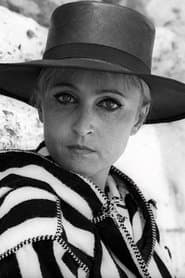
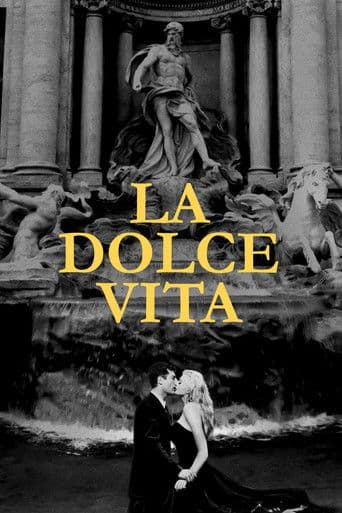
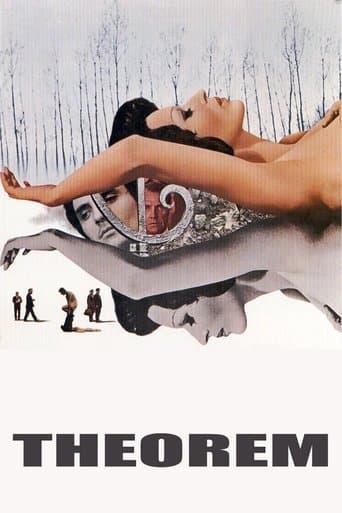
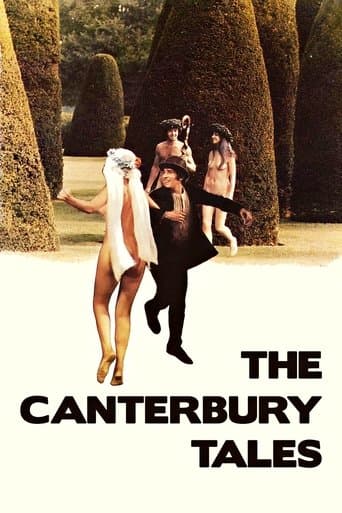
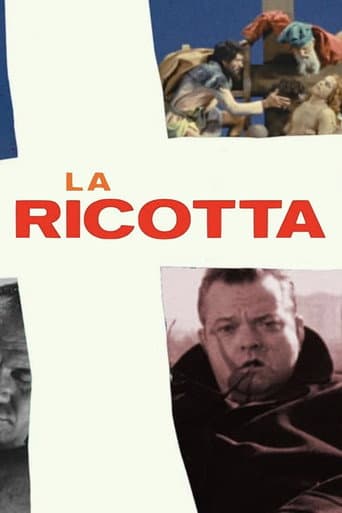
Laura Betti (née Trombetti; 1 May 1927 – 31 July 2004) was an Italian actress known particularly for her work with directors Federico Fellini, Pier Paolo Pasolini and Bernardo Bertolucci. She had a long friendship with Pasolini and made a documentary about him in 2001. Betti became famous for portraying bizarre, grotesque, eccentric, unstable or maniacal roles, like Regina in Bernardo Bertolucci's 1900, Anna the medium in Twitch of the Death Nerve, Giovanna la pazza in Woman Buried Alive, hysterical Rita Zigai in Sbatti il mostro in prima pagina, Therese in Private Vices, Public Virtues, Emilia the servant in Pier Paolo Pasolini's Teorema for which she won the Volpi Cup for Best Actress, and Mildred the protagonist's wife in Mario Bava's Hatchet for the Honeymoon. Born Laura Trombetti in Casalecchio di Reno, near Bologna, she grew up to be interested in singing. She first worked professionally in the arts as a jazz singer and moved to Rome. Betti made her film debut in Federico Fellini's La Dolce Vita (1960). In 1963, she became a close friend of the poet and movie director Pier Paolo Pasolini. Under his direction, she proved a wonderful talent and played in seven of his films, including La ricotta (1963), Teorema (Theorem, 1968), his 1972 version of The Canterbury Tales, in which she played the Wife of Bath; and his controversial Salo (1975) ("120 Days of Sodom"). In 1976, Betti portrayed Regina, a cruel and eroto-maniacal fascist in Bernardo Bertolucci's Novecento (1900). She also played Miss Blandish in his Last Tango in Paris (1972), though her single scene was deleted. In 1973 she dubbed the voice of the Devil for the Italian version of William Friedkin's The Exorcist. From the 1960s, Betti dedicated much of her time to literature and politics. She became the muse for a number of leading political and literary figures in Italy and came to personify the revolutionary and Marxist era of 1970s Italy. In 2001, she made a documentary about Pasolini, Pier Paolo Pasolini e la ragione di un sogno. She also donated her papers related to their long friendship along with more than 1000 volumes and many documents connected to Pasolini to the archives of the Fondazione Cineteca di Bologna, thus creating the Centro Studi Archivio Pier Paolo Pasolini. This Centro, strongly wanted by Betti, owns also thousands of photograph and all the works of Pasolini: poetry, literature, cinema and journalism. After her death in 2004 her brother Sergio Trombetti has donated all the personal documents of her career to the Centro that has absorbed them under the name Fondo Laura Betti. Source: Article "Laura Betti" from Wikipedia in English, licensed under CC-BY-SA 3.0.
Notable Appearances




More Movies
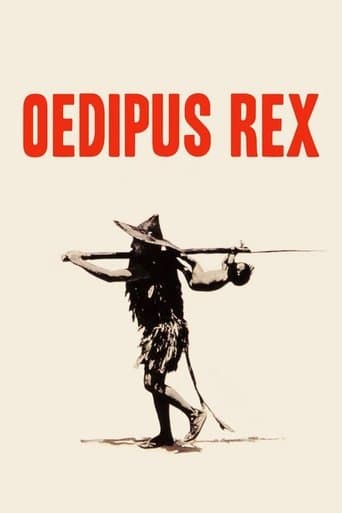
Oedipus Rex
The Beaches of Agnès

Sonny and Jed
Jane B. by Agnès V.
The Witches

A Man Called Sledge

Slap the Monster on Page One

With Closed Eyes

The Gang
Class Relations
Gallant Ladies
ABCinema
Widow's Walk
Marianna Ucrìa
Hatchet for the Honeymoon

Lovers and Liars

Private Vices, Public Virtues

Ro.Go.Pa.G.
Caprice Italian Style
Escape by Night
Butterfly on the Shoulder

Blame it on Paradise
Allonsanfan

The Woman with Red Boots
The Defective Detective
Marx Can Wait
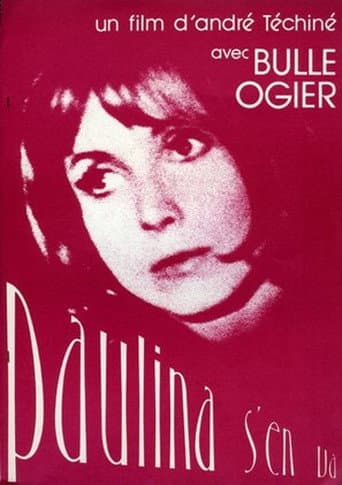
Paulina Is Leaving
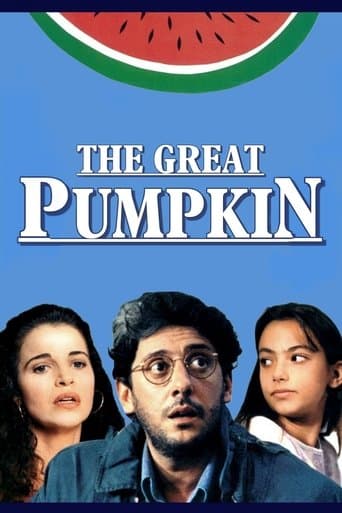
The Great Pumpkin

Raul - Right to Kill
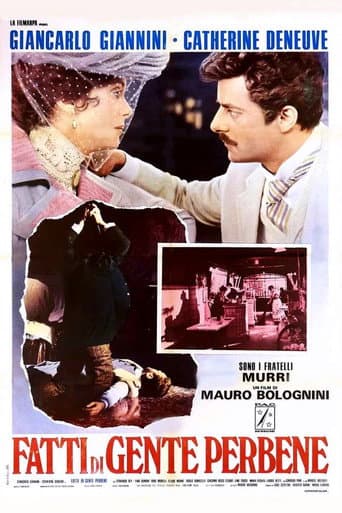
The Murri Affair
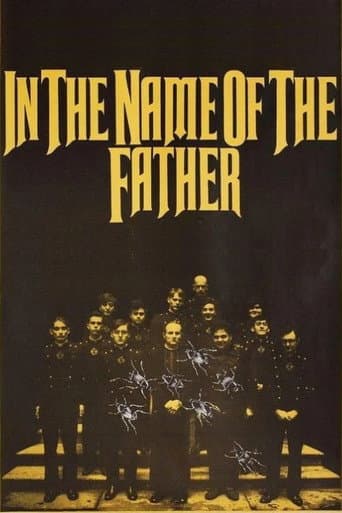
In the Name of the Father

Sweets from a Stranger

My Name Is Anna Magnani
Art of Love
Gli astronomi
Maresco / Pasolini
La ribelle
The Carpathian Mushroom
What Are the Clouds?
Far from Manhattan
Un eroe borghese
Ecco
Mother Ebe
La ricotta

Woman Buried Alive
The Protagonists
RARA
Suffocating Heat
Renzo e Lucia
Happiness Costs Nothing
Noi siamo le colonne
Whoever Says the Truth Shall Die
Mario, Maria and Mario
At Night All Cats Are Crazy
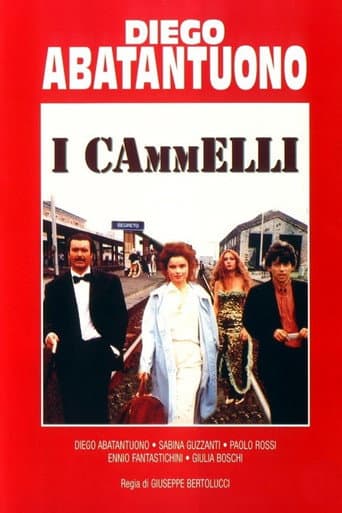
I cammelli
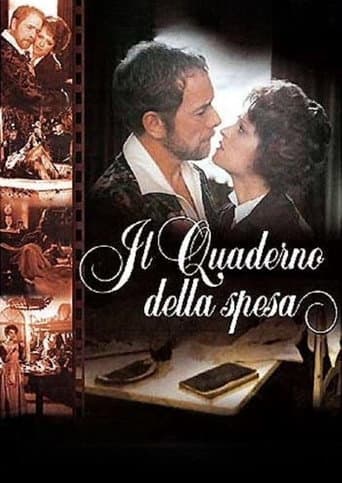
Household Accounts
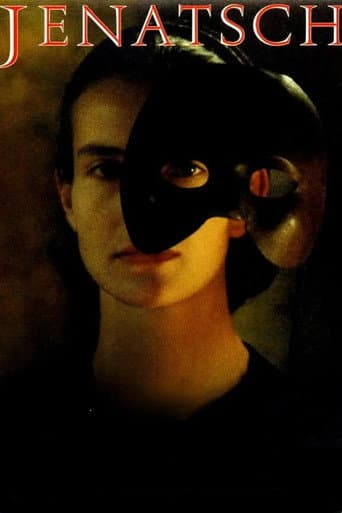
Jenatsch

Fratella e Sorello
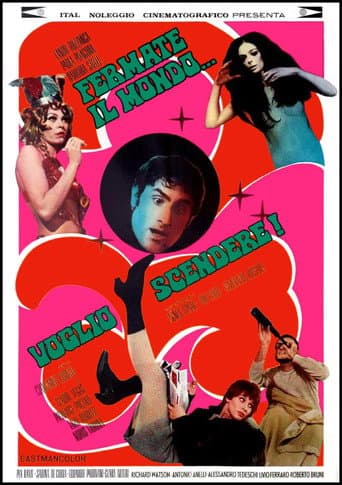
Stop the World... I Want to Get Off!
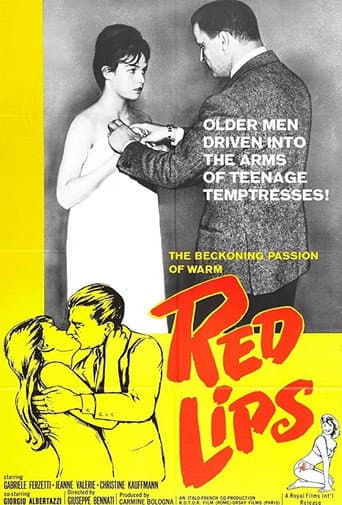
Red Lips
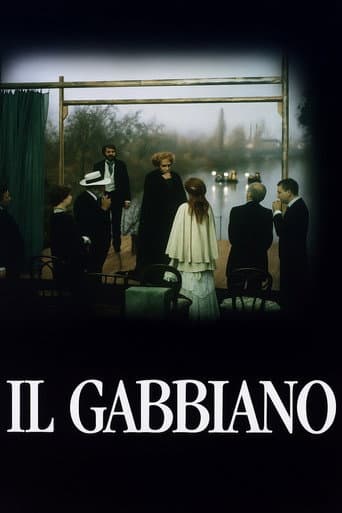
The Seagull

We Free Kings
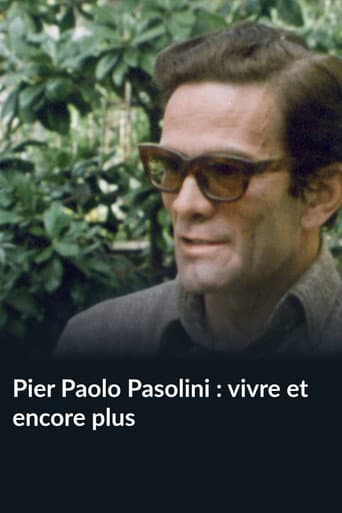
Pier Paolo Pasolini : vivre et encore plus
The Earth As Seen from the Moon
The Last Day of School Before Christmas
The Little Archimedes
Le rose blu
Venise en hiver
The Return
Laura's Passion
Pasolini and the Secret Humiliation of Chaucer