
Paulo Villaça
Born January 1, 1933 · Bauru, São Paulo, Brazil
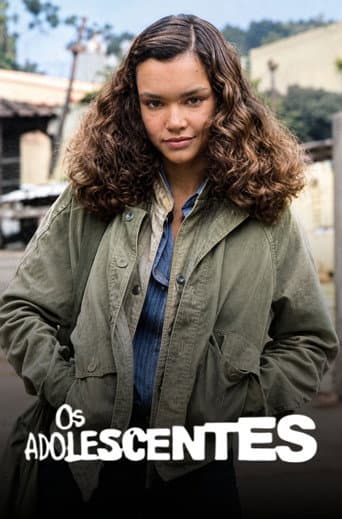
Paulo Barbosa Villaça (Bauru, São Paulo, 1933 — Rio de Janeiro, Rio de Janeiro, 1992) was a Brazilian actor and theatre director. Villaça worked as a Literature professor, journalist and advertising manager before his breakthrough as an actor in the 1960s. He achieved success by playing the main role in Rogério Sganzerla's "The Red Light Bandit" (1968). During the 1970s, Villaça was married to famous Brazilian actress Marília Pêra. He played parts in over 20 films, being a reconizable figure in productions from the Brazilian Cinema Marginal movement during the 1960s and 1970s. He also had a solid career at the theatre, where he acted in the Teatro Oficina company and played roles in many important plays, such as "Navalha na Carne", "Fala Baixo Senão eu Grito" and "Grande e Pequeno". In TV, he appeared in shows such as Rede Globo's "O Bofe" and Rede Bandeirante's "Os Adolescentes", limited series like "Quem Ama Não Mata" and "Chapadão do Bugre" and soap operas such as "Helena" and "Vale Tudo". His last film was 1992's "Perfume de Gardênia", which paid homage to his iconic role of The Red Light Bandit. He died in Rio de Janeiro from HIV-related health problems, and was buried in São Paulo.
Notable Appearances




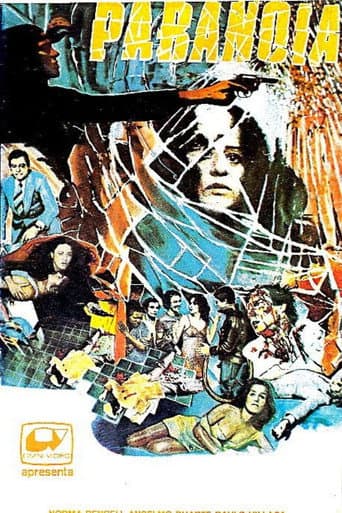




More Movies

The Fifth Monkey

Celebração - 100 Anos do Cinema Nacional

The Torturer

Sagarana: O Duelo

Nos Embalos de Ipanema

Um Pistoleiro Chamado Caviúna

The Adventures of a Paraíba

The Long Voyage of the Yellow Bus

The Werewolf: A Midnight Terror

The Man in the Black Cape

The Lady from the Shanghai Cinema

Scent of Gardenias

The Woman of Everyone
The Giant of America

The Pleasure Principle

Os Senhores da Terra

Lucia McCartney, Call Girl

Rio Babilonia

The Monsters of Babaloo

OSS 117 Takes a Vacation

Luz, Câmera, 50 Anos: Anos Dourados - O Filme

Fulaninha

Prisoner of Rio

Os Trombadinhas

O Forte

Albert, the Rockefeller

República dos Assassinos

The Good Cinema

Perdidos e Malditos

Garden of War

Quincas Borba

O Matador

Eternamente Pagu
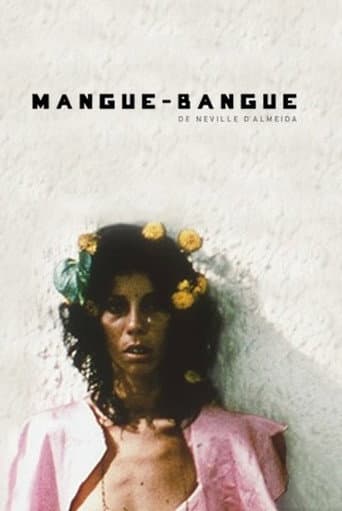
Mangúe-Bangúe

Travel and Description of the Guanabara River on the Occasion of Antarctic France
