
Laurence Olivier
Born May 22, 1907 · Dorking, Surrey, England, UK
Laurence Kerr Olivier, Baron Olivier, OM (22 May 1907 – 11 July 1989) was an English actor and director who, along with his contemporaries Ralph Richardson, Peggy Ashcroft and John Gielgud, dominated the British stage of the mid-20th century. He also worked in films throughout his career, playing more than fifty cinema roles. Late in his career, he had considerable success in television roles. His family had no theatrical connections, but Olivier's father, a clergyman, decided that his son should become an actor. After attending a drama school in London, Olivier learned his craft in a succession of acting jobs during the late 1920s. In 1930 he had his first important West End success in Noël Coward's Private Lives, and he appeared in his first film. In 1935 he played in a celebrated production of Romeo and Juliet alongside Gielgud and Ashcroft, and by the end of the decade he was an established star. In the 1940s, together with Richardson and John Burrell, Olivier was the co-director of the Old Vic, building it into a highly respected company. There his most celebrated roles included Shakespeare's Richard III and Sophocles's Oedipus. In the 1950s Olivier was an independent actor-manager, but his stage career was in the doldrums until he joined the avant garde English Stage Company in 1957 to play the title role in The Entertainer, a part he later played on film. From 1963 to 1973 he was the founding director of Britain's National Theatre, running a resident company that fostered many future stars. His own parts there included the title role in Othello (1965) and Shylock in The Merchant of Venice (1970). Among Olivier's films are Wuthering Heights (1939), Rebecca (1940), and a trilogy of Shakespeare films as actor-director: Henry V (1944), Hamlet (1948), and Richard III (1955). His later films included The Shoes of the Fisherman (1968), Sleuth (1972), Marathon Man (1976), and The Boys from Brazil (1978). His television appearances included an adaptation of The Moon and Sixpence (1960), Long Day's Journey into Night (1973), Love Among the Ruins (1975), Cat on a Hot Tin Roof (1976), Brideshead Revisited (1981) and King Lear (1983). Olivier's honours included a knighthood (1947), a life peerage (1970) and the Order of Merit (1981). For his on-screen work he received four Academy Awards, two British Academy Film Awards, five Emmy Awards and three Golden Globe Awards. The National Theatre's largest auditorium is named in his honour, and he is commemorated in the Laurence Olivier Awards, given annually by the Society of London Theatre. He was married three times, to the actresses Jill Esmond from 1930 to 1940, Vivien Leigh from 1940 to 1960, and Joan Plowright from 1961 until his death.
Notable Appearances


Movies







TV Shows

Golden Globe Awards

The South Bank Show

Omnibus

The Carol Burnett Show

The Ed Sullivan Show

ITV Saturday Night Theatre
The Oscars

Jesus of Nazareth

ABC Stage 67

Brideshead Revisited

The World at War
Talking Pictures

Peter the Great

The Last Days of Pompeii

Iconic Couples of Hollywood

Male of the Species

Laurence Olivier Presents

Wagner

Lost Empires
1939: Secrets of Hollywood's Golden Year
More Movies

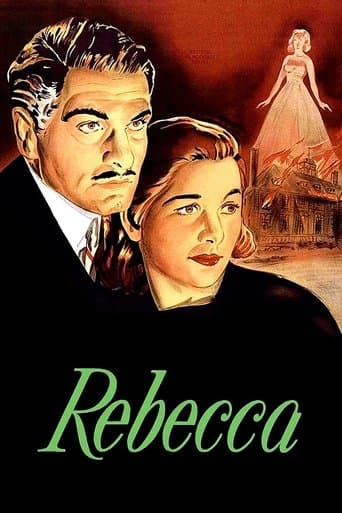
Rebecca

The Prince and the Showgirl

The Shoes of the Fisherman

A Little Romance

Bunny Lake Is Missing
The Seven-Per-Cent Solution

Nicholas and Alexandra

Inchon

The Devil's Disciple

To Be Hamlet

Oh! What a Lovely War

The Merchant of Venice

Wild Geese II

Richard III

49th Parallel

This Happy Breed

Cat on a Hot Tin Roof

Nothing Like a Dame

Directed by William Wyler

Charmed Lives: A Family Romance

The Divorce of Lady X
The Prince, The Showgirl and Me

The Jigsaw Man

Natalie - A Tribute to a Very Special Lady

The Betsy

Carrie

Uncle Vanya

The Filth and the Fury

21 Days

Cavalcade of the Academy Awards

The Jazz Singer

The Collection

Hannibal Hopkins & Sir Anthony

Night of 100 Stars II

Scotty and the Secret History of Hollywood

Hollywood Out-takes and Rare Footage

Cameraman: The Life and Work of Jack Cardiff

The Magic Box

Friends and Lovers

Potiphar's Wife

Preminger: Anatomy of a Filmmaker
Hollywood: Style Center of the World

The Conquest of the Air

The Beggar's Opera

Love Among the Ruins

Vivien Leigh: Scarlett and Beyond

Lady Caroline Lamb
Othello

The Making of a Legend: Gone with the Wind

The Legend of Marilyn Monroe
Hollywood: The Selznick Years

The Power and the Glory

Perfect Understanding

Mad About the Boy: The Noël Coward Story
Vivien Leigh: A Delicate Balance

Marilyn despite herself

The Ebony Tower

Eve and Marilyn

Male of the Species
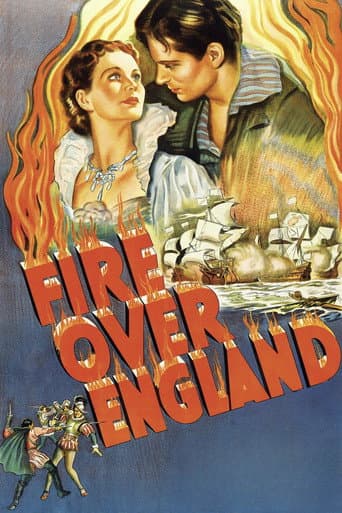
Fire Over England

The Entertainer

Term of Trial
The Vivien Leigh Archive at the V&A

Daphne Laureola

Dame Maggie Smith - A Celebration

Churchill and the Movie Mogul

As You Like It

Jornal Português (1938-1951)

Larry & Vivien: The Oliviers in Love

Words for Battle

Fascination: Unauthorized Story of Marilyn Monroe

King Lear

Vivien Leigh, autant en emporte le vent

War Requiem

The Demi-Paradise

A Queen Is Crowned

Q Planes
Sir John Mills' Moving Memories

Marilyn Monroe: Beyond the Legend

David Copperfield

Three Sisters

The Making of 'Rebecca'

Long Day's Journey Into Night

Come Back, Little Sheba
Gregory Peck: His Own Man

No Funny Business

A Talent for Murder

The Dance of Death
The Greats: Vivien Leigh

The Yellow Ticket

Marilyn, dernières séances

Discovering Hamlet

The Bannfoot Ferry

The Moon and Sixpence

The Magic of Hollywood... Is the Magic of People

A Voyage Round My Father

The Rehearsal

The Gentleman Tramp

Private Lives

At the Haunted End of the Day

The Volunteer
British Pathé: Vivien Leigh & Laurence Olivier

Moscow Nights

Marilyn Monroe

Revisiting Brideshead

Saturday, Sunday, Monday

Malta G.C.

The Temporary Widow
